
DMCs in Greece
53 destination management companies across 9 cities
Greece, with its breathtaking islands, ancient ruins, and Mediterranean charm, is an exceptional destination for corporate events, conferences, and incentive trips. Blending rich history with modern hospitality, Greece offers inspiring venues and unforgettable experiences. A destination management company in Greece brings the local knowledge and connections essential to crafting seamless and impactful events.
Browse by service
Tap a tile to filter — combine with anything else53 DMCs
Metropolitan DMC
Not verified
Incentive Travel
MICE
Event Production
Travel Way Europe
Not verified
Incentive Travel
Sustainable Tourism
Religious Travel
Synthesis Travel Group
Not verified
Incentive Travel
MICE
Start Travel
Not verified
Incentive Travel
MICE
Travel Exchange
Not verified
Incentive Travel
MICE
Visit Meteora
Not verified
Food & Wine Tours
Siva Travel
Not verified
Incentive Travel
MICE
Religious Travel
Ant Events D.M.C.
Not verified
Incentive Travel
MICE
Trade Shows
Growth MICE & DMC
Not verified
Incentive Travel
MICE
Event Production
Fantasy Travel
Not verified
Destination Weddings
Food & Wine Tours
Religious Travel
Symphony Greece DMC
Not verified
Incentive Travel
MICE
Event Production
Rhodian DMC
Not verified
Incentive Travel
MICE
Travelive
Not verified
Destination Weddings
TourGreece
Not verified
Incentive Travel
MICE
Meli Tours
Not verifiedMazi Travel & Events
Not verified
Incentive Travel
MICE
Religious Travel
Event Brix
Not verified
Incentive Travel
MICE
Event Production
Sirtaki Events
Not verified
Incentive Travel
MICE
Destination Weddings
Event Production
Cherry Travel Greece
Not verifiedE.T.S. Events & Travel Solutions
Not verified
Incentive Travel
MICE
Event Production
Trade Shows
Inter Alpha Travel
Not verified
Incentive Travel
MICE
Religious Travel

GMT Voyager
Not verifiedLuxury Travel Agency | Greece DMC | Athens Express
Not verifiedGreek Adventure
Not verified
Incentive Travel
Adventure Travel

Insiders Travel Experiences
Not verified
Incentive Travel
MICE
Event Production
Religious Travel
Travel Sweety
Not verified
Incentive Travel
MICE
Event Production
Hellenic Travel Network
Not verified
Incentive Travel
MICE
Mideast Travel Worldwide
Not verified
Incentive Travel
MICE
Religious Travel
Destination One
Not verified
Incentive Travel
MICE
Event Production
Luxury Travel DMC
Not verifiedMIgreeCE DMC
Not verified
Incentive Travel
MICE
Event Production
Aethon Travel
Not verified
Incentive Travel
MICE
Religious Travel
Top Euro Travel
Not verified
Incentive Travel
MICE
Event Production
The DMC Greece
Not verified
Incentive Travel
MICE
Event Production
Conceptours Greece
Not verifiedElix Travel
Not verified
Incentive Travel
MICE
Event Production
MTS Globe
Not verified
Incentive Travel
MICE
Sustainable Tourism
Recently viewed
Greece as a destination event market
Greece occupies a particular place in European event planning. It is one of the most heritage-rich destinations on the continent, the islands carry global recognition no marketing budget could buy, and the summer window (May to October) consistently ranks among the most-requested incentive and wedding seasons in Europe. The flip side is logistics. Greek event execution depends on island-specific supplier networks, ferry and small-airport scheduling, and venues that operate to a different rhythm than Western European norms. A Greek DMC is not optional here. It is the operator who turns the magazine cover into a working programme.
What pulls events to Greece:
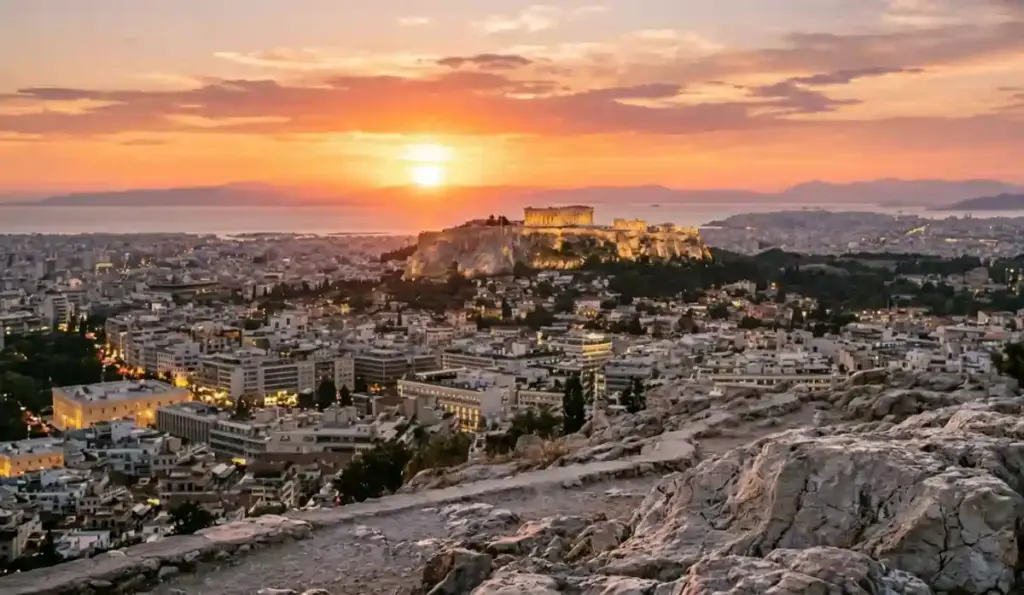
- Heritage galas. Acropolis-overlooking rooftops in Athens, the Panathenaic Stadium, the Apollo Coast palaces, ancient theatres. Greece offers some of Europe's most photographed gala backdrops, and DMCs hold the relationships to access them.
- Iconic islands. Mykonos, Santorini, Crete, Rhodes, Corfu. Each has its own DMC ecosystem and its own brand association, from luxury party (Mykonos) to intimate luxury (Santorini) to volume incentive (Crete and Rhodes).
- Destination weddings. Greece runs one of Europe's largest wedding-tourism industries, with Santorini and Mykonos at the centre.
- Mediterranean cuisine. Greek hospitality at the high end has matured significantly in the past decade, with Athens in particular gaining Michelin-grade depth.
- Summer reliability. Greek summer is one of the most weather-stable in Europe. Outdoor events can be planned with high confidence May through September.
For one of the formats Greek DMCs handle particularly well, see our overview of bleisure travel, where Greece's combination of meeting-grade Athens and recreational island extensions creates natural hybrid programmes.
Picking the right part of Greece for your event
Greece is one country, but the event ecosystem fragments by island and region in a way that surprises planners new to the market. The DMC you brief in Athens for an Acropolis gala does not automatically have the supplier relationships in Mykonos for a brand activation, and the Santorini wedding specialist works on a different scale than the Crete incentive operator.
Regional strengths:
- Athens and Attica, heritage galas, Acropolis programmes, MICE conferences, Panathenaic Stadium events, year-round corporate volume (winter included)
- Mykonos, luxury incentives, beach-club brand activations, summer-only peak (May to October), the country's premium-pricing region
- Santorini, destination weddings, intimate luxury programmes, caldera-view venues, group-size constraints (most venues max 80 to 120 guests)
- Crete (Heraklion, Chania), larger incentive groups, beach-and-heritage combinations, Knossos heritage tours, more value than Mykonos or Santorini
- Rhodes, mid-range coastal incentives, family-friendly, Old Town heritage galas, longer season than other islands
- Corfu, Ionian alternative to Aegean islands, Italian-influenced cuisine, classical-music heritage
- Halkidiki and the north Aegean coast, mainland-coastal programmes, value pricing, Thessaloniki gateway
- Thessaloniki, second-city MICE, gateway to northern Greece and the Balkans, winter-viable
A practical note. Most Greek islands run a peak season of May to mid-October and effectively close from November to March (small hotels shut, ferry frequencies drop, many restaurants close). Athens, Crete and Rhodes run year-round but at significantly reduced volume. For leisure travel programmes that depend on the iconic island experience, plan inside the May-October window.
Frequently asked questions
About working with destination management companies in Greece
Why is a Greek DMC particularly important for island events?
Greek island logistics fail in unique ways. Ferries cancel for weather without warning, small-island airports have tight luggage and group-size limits, and many premium villa venues run on supplier networks that do not advertise online. A Greek DMC is the operator who knows which Mykonos villa allows amplified music after midnight, which Santorini caterer can actually serve 100 guests at a caldera-edge venue, and which Crete transport company has buses that fit the island's narrow roads.
How much does a Greek DMC cost?
Greece spans a wide pricing range. Project fees run 10 to 16% of total budget. Per-person rates in Athens land between €300 and €900 per person per day; Mykonos and Santorini in summer push to €700 to €2,000 per person per day; Crete, Rhodes and the mainland coastal destinations sit between. Always request line-by-line breakdowns; Greek DMCs increasingly itemise transparently, but legacy quote formats can bundle aggressively.
Which Greek destinations are best for which events?
Athens for heritage galas and corporate MICE. Mykonos for luxury brand activations and incentive trips for high-budget groups. Santorini for weddings and intimate (under 120) luxury programmes. Crete and Rhodes for larger incentive groups (200+) at competitive rates. Halkidiki and Thessaloniki for mainland value programmes. Corfu and Zakynthos for Ionian-coast alternatives to the more famous Aegean islands.
Do Greek DMCs work in English?
Yes, universally at management and senior-coordinator level. On-site supplier staff in Mykonos, Santorini, Crete, and Rhodes operate fluently in English (the islands have hosted international visitors for decades). Mainland Greece outside Athens and Thessaloniki sometimes needs bilingual on-site coordinators for non-tourist supplier conversations.
How far in advance should I book a Greek DMC?
For Mykonos and Santorini in summer peak (June to early September), 9 to 12 months minimum. For Athens heritage venues (Acropolis-overlooking rooftops, the Panathenaic Stadium, Onassis Foundation venues), 6 to 9 months. For destination weddings on Santorini, 12 to 18 months for premium venues. Mainland and lesser-known islands accept bookings 4 to 6 months out.
Can outdoor events in Greece really run without weather contingency?
Greek summer (May to mid-October) is one of the most weather-stable windows in Europe. Outdoor events in this period can be planned with very high confidence, particularly in the Aegean. Spring and autumn shoulder seasons (April, late October) carry more weather variability and benefit from indoor backups. The brief winter rains in Athens and the islands are intense but rarely sustained.
What about heritage venues like the Acropolis?
The premier Greek heritage sites (Acropolis, Panathenaic Stadium, ancient theatres at Epidaurus and Delphi) are accessible for private events through specific institutional channels with 6 to 12 month lead times and strict guest-count limits. Several rooftop and historic-villa venues offer Acropolis views without using the site itself; these are the working solutions for most Athenian gala programmes.
Explore more
Drill down by city, switch service, or pivot to a neighbouring destination.