DMCs in Finland
57 destination management companies across 2 cities
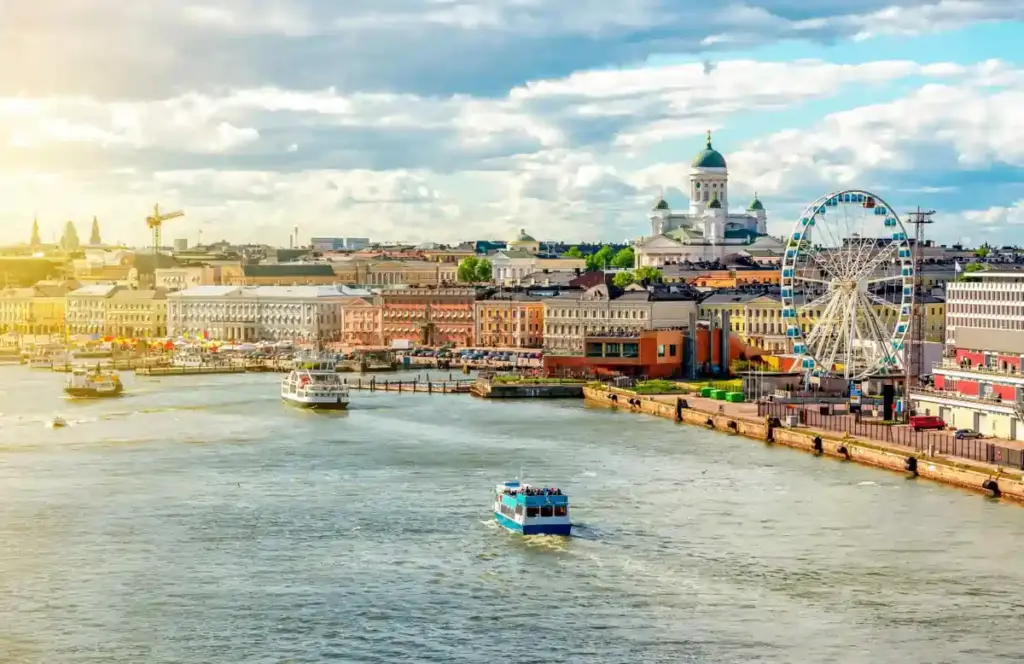
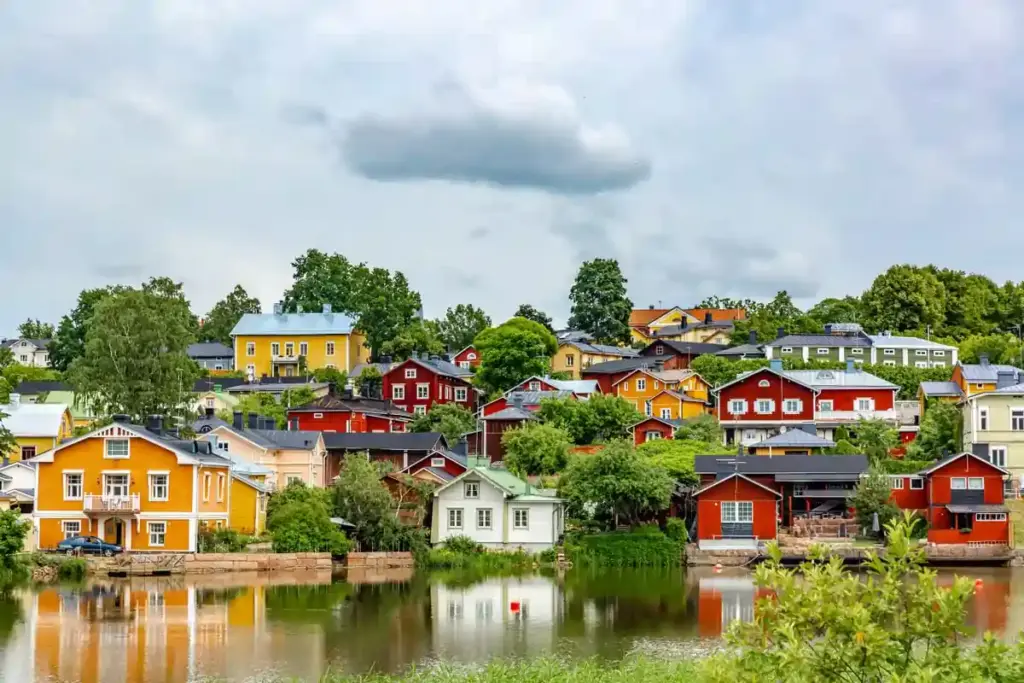
Finland, with its pristine wilderness, Northern Lights, and innovative design culture, is an extraordinary destination for corporate events, conferences, and incentive programs. From Helsinki's cutting-edge conference facilities to unique venues above the Arctic Circle, Finland offers an inspiring blend of natural wonders and contemporary sophistication. Working with a destination management company in Finland ensures expert coordination of events that combine Finnish efficiency with unforgettable experiences, from midnight sun activities to lakeside retreats, creating memorable business gatherings that showcase both the country's technological advancement and its unspoiled natural beauty.
Browse by service
Tap a tile to filter — combine with anything else57 DMCs
Travel.fi
Full-programme DMCFind the right DMC - fast
Tell us what you need and we’ll connect you with a trusted partner that fits your event. No endless searching, no guesswork. Free, within two business days.
DMC Lapland
Luxury / VIPLomatka Travel Company
BoutiqueBook Lapland
Tour OperatorLapland Luxury
Luxury / VIPNordic Unique Travels
9 yrsDMC Oulu
Luxury / VIPOne Travels Consulting
BoutiqueNordic Unique Travels
9 yrsRecently viewed
Why Finland is rising as a Nordic event market
Finland is the smallest of the Nordic event markets by overall volume but punches well above its population in two specific categories: tech conferences and aurora-season incentives. Helsinki's Slush conference now sits among Europe's top startup events, and Lapland (Rovaniemi, Levi, Saariselkä) has built a year-round visitor economy around Northern Lights, Santa Claus, and arctic-experience programmes. For corporate audiences seeking either a tech narrative or a genuinely distinctive winter destination, Finland delivers something the rest of Europe cannot.
What works in Finland's favour:
- Tech and design positioning. Helsinki was named UNESCO City of Design and remains the spiritual home of Slush, the largest startup conference outside the US. Tech-themed events feel native here.
- Aurora season. Late August to early April. Finnish Lapland is one of the most reliable aurora-viewing destinations on the continent, with infrastructure built specifically around event groups (glass igloos, husky farms, ice restaurants).
- Sauna culture. Sauna in Finland is a working business setting, not a novelty. Many DMCs build it into programme design as standard.
- English fluency. Universal at the working level.
- Lake and forest geography. In summer, Finland offers some of the most under-visited natural-luxury programme territory in Europe (Saimaa lake region, the eastern lakes), at prices well below comparable Norwegian or Swedish equivalents.
For one of the formats Finnish DMCs handle particularly well, see our overview of bleisure travel, where the Finnish work-life rhythm and the country's wellness positioning translate naturally into hybrid programmes.

Picking the right Finnish region for your programme
Finland divides into Helsinki, Lapland, and the lake region, with each operating on essentially independent DMC ecosystems. The agency you book in Rovaniemi for a January aurora programme is rarely the same one you would call for a Slush-week activation in Helsinki.
Regional strengths:
- Helsinki, corporate MICE, design events, tech and startup programmes, Slush week (late November), classic-architecture venues, reliable year-round volume
- Lapland (Rovaniemi, Levi, Saariselkä, Inari), aurora incentives, Santa Claus programmes, husky and reindeer experiences, glass-igloo accommodation, peak December to early March
- Finnish lakes (Saimaa region, Mikkeli, Savonlinna), summer programmes, sauna and wellness incentives, opera at Savonlinna in July
- Tampere, second-city corporate programmes, lower pricing than Helsinki, growing tech presence
- Turku, heritage and Sweden-adjacent programmes, archipelago coastline, summer-only most years
- Åland Islands, autonomous archipelago between Finland and Sweden, niche but distinct programme territory
A practical note. Finnish Lapland in peak winter (mid-December to early February) is essentially fully booked twelve months ahead for premium accommodation. The ICEHOTEL-style ice-built properties operate on a strict seasonal calendar (December opening, March meltdown), so dates are non-negotiable. For leisure travel programmes that depend on aurora viewing, December and January are darkest; February and March deliver more daylight balance with similar aurora odds.
Frequently asked questions
About working with destination management companies in Finland
Why use a Finnish DMC for a Lapland incentive?
Finnish Lapland operates on a tight, weather-dependent supplier network of ice hotels, husky kennels, aurora-watching guides, snowmobile operators, and small charter airlines. Suppliers oversubscribe quickly, and same-day cancellations for weather happen routinely. A local DMC is the difference between "we hope it works" and a programme that survives a stormy day with the contingency built in.
How much does a Finnish DMC cost?
Finland is comparable to Sweden in pricing, slightly lower in shoulder-season Helsinki and slightly higher in peak-winter Lapland. Project fees run 10 to 16% of total budget. Per-person incentive rates land between €450 and €1,500 per person per day. Glass-igloo and ice-themed accommodation in Lapland routinely costs €600 to €1,200 per night per person, which lifts programme totals fast.
What is Finland best for, in event terms?
Tech and startup events (especially around Slush), aurora-season incentive programmes, sauna-themed and wellness-led offsites, summer lake retreats, and design-led brand activations. The country is less commonly used for large-volume corporate conferences outside Helsinki and Slush week.
Do Finnish DMCs work in English?
Yes, universally at the management and supplier level. English fluency in Finland sits at over 90% for working-age adults. Sami-region coordinators in deepest Lapland may default to Finnish for some local supplier conversations, but client-facing work is English without exception.
How far in advance should I book a Finnish DMC?
For peak Lapland winter (mid-December to early March), 9 to 12 months is the working minimum, longer if you need glass igloos for groups over 20 people. Helsinki around Slush (late November) is similarly constrained. Summer lake programmes accept 4 to 6 months. Off-peak Helsinki accepts 6 to 8 weeks for boutique formats.
What is Slush and why does it shape Helsinki event timing?
Slush is the largest annual startup conference outside the US, held in Helsinki in late November. It draws 25,000+ attendees and effectively books out the entire central Helsinki hotel inventory for a week. Any event in Helsinki within ten days of Slush either competes for the same supply or rides the spillover, depending on positioning. Always check the Slush calendar before fixing November dates.
What about sauna in business contexts?
Sauna is a working setting in Finland. Many DMCs build it into programmes as a hosted networking session, with formal-business etiquette that international audiences sometimes need briefing on. The sauna is a leveller, not a perk; Finnish business partners often raise the most substantive points there. A good Finnish DMC briefs your delegates on the conventions before the first session.
Explore more
Drill down by city, switch service, or pivot to a neighbouring destination.