DMCs in Italy
272 destination management companies across 14 cities
Italy, renowned for its rich history, art, and culinary delights, is a sought-after destination for corporate events, incentives, and conferences. From ancient cities to picturesque countryside, Italy provides diverse venues and experiences. Working with a destination management company in Italy guarantees expert event management and local insights.
Browse by service
Tap a tile to filter — combine with anything else272 DMCs
Find the right DMC - fast
Tell us what you need and we’ll connect you with a trusted partner that fits your event. No endless searching, no guesswork. Free, within two business days.
Icaterina
Luxury / VIPTop Venice
Luxury / VIPMagica Italia Travel
Luxury / VIPFood in Tour
Full-programme DMCItalian Special Occasions DMC & Events
Full-programme DMCRecently viewed
Why DMCs thrive in Italy
Few countries are as event-friendly as Italy, and few generate as much demand for local expertise. From cliff-top weddings on the Amalfi Coast to MICE conferences in Milan, Italy turns every brief into something memorable. Add to that the country's twenty distinct regions, each with its own dialect, cuisine, and heritage venues, and the role of a destination management company becomes not optional but essential.
What makes Italy a DMC magnet:
- Weddings. Italy hosts thousands of destination weddings every year, from Tuscan vineyards to Lake Como villas and Sicilian seaside ceremonies, coordinated almost entirely through local DMCs and wedding planners.
- Natural diversity. Alpine peaks, Mediterranean coastlines, rolling Tuscan hills, volcanic Sicilian coves, all within four hours of any Italian airport.
- Heritage cities. Rome, Florence, Venice, Milan, Naples, UNESCO sites that double as event venues. Galas in renaissance palazzos, conferences in centuries-old halls.
- Cuisine and hospitality. Italy holds more Michelin stars per capita than almost any country on Earth. A DMC turns this culinary depth into curated experiences.
- Year-round climate. Winter ski incentives in the Dolomites, spring city tours, summer coastal galas, autumn vineyard harvests, there's no off-season.
For corporate planners and event houses, Italian DMCs translate this richness into actionable programmes. See our guide to corporate retreats in Italy for typical itineraries, or bleisure travel for hybrid business-leisure formats Italy excels at.

Planning events across Italy's regions
Italy is twenty regions, each with its own logistical reality. The DMC you pick in Milan thinks differently from the one in Palermo, and that matching is half the battle.
Regional strengths:
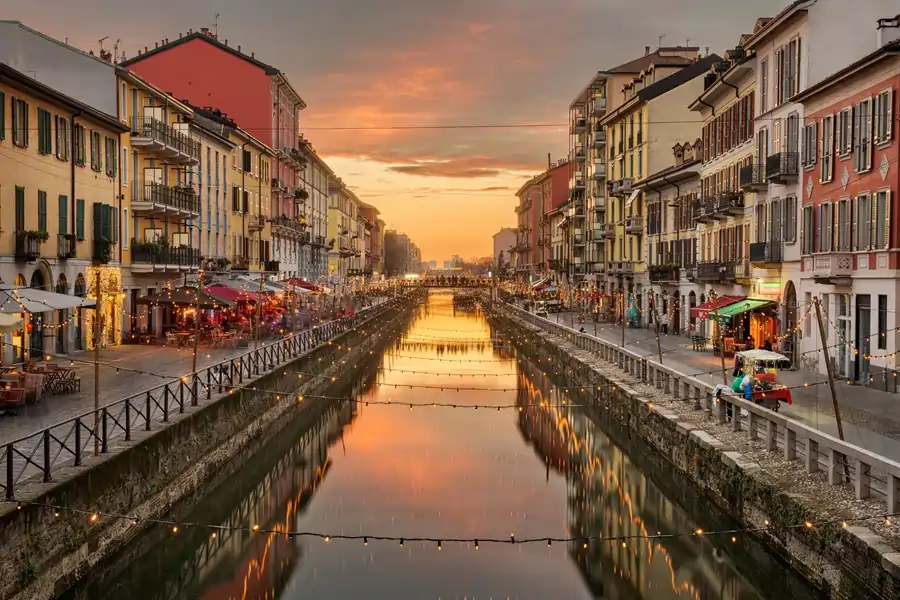
- Lombardy & Milan, corporate events, MICE conferences, fashion-week tie-ins, premium business hotels
- Tuscany, incentive trips, vineyard estates, cooking-class team-building, wedding programmes
- Lazio & Rome, heritage venues, historical tours, gala dinners in palazzos
- Veneto & Venice, exclusive private events, Doge-era settings, gondola receptions
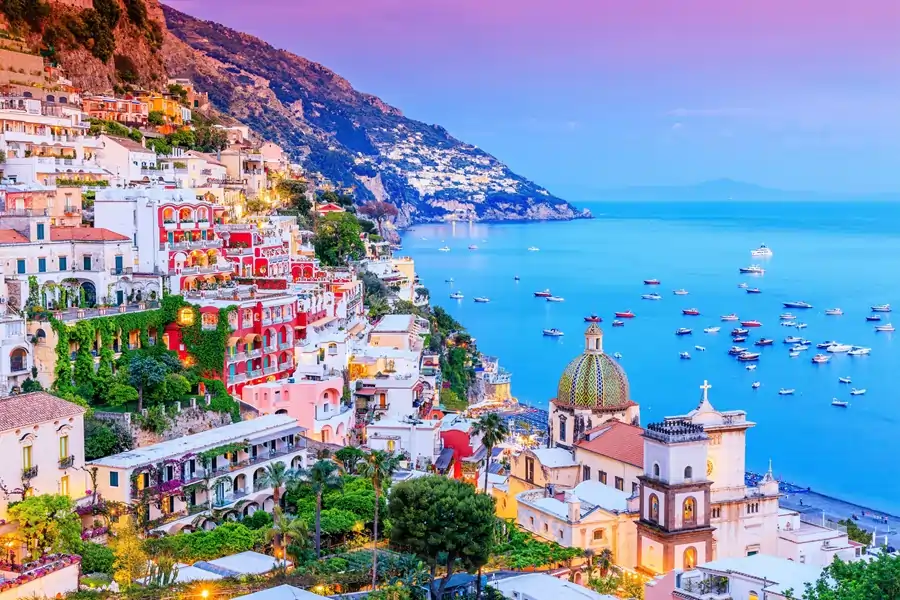
- Campania & Amalfi, VIP retreats, cliff-top dinners, yacht charters
- Sicily & Sardinia, full-island programmes, Mediterranean galas, golf tournaments
Whether you're planning a 30-person executive retreat or a 600-delegate convention, or building a softer, more relaxed leisure travel programme, browse by region to find a DMC whose home turf matches your brief. Most companies work nationally but lead from one regional base; the one closest to your venue is usually the best place to start.
Frequently asked questions
About working with destination management companies in Italy
What is a DMC and why use one in Italy?
A DMC, or Destination Management Company, is your local operations partner for events held in Italy. They handle venue scouting, transport, supplier coordination, and all the things that fail at 6pm on a Saturday when you're calling from another timezone. In Italy specifically, DMCs unlock heritage venues, navigate regional bureaucracy (each of the 20 regions has its own permits and rules), and bring decade-old supplier relationships you can't replicate from outside.
How much does it cost to hire a DMC in Italy?
Most Italian DMCs work on either a project fee (typically 10 to 15% of the total programme budget) or a per-person rate for incentive-style trips (€300 to €800 per person per day depending on luxury level). Expect a custom quote, the country's regional pricing varies sharply (Milan is not Sicily). Always ask whether the fee covers programme design only, or also on-site management, those are usually two separate line items.
What's the difference between a DMC and an event agency?
An event agency designs your event: concept, branding, content, attendee experience. A DMC executes it on the ground in a specific destination. For an Italian programme you usually need both, an agency who knows your client, and a DMC who knows that the catering company in Florence answers WhatsApp at 10pm but not email. Some agencies have in-house DMC capabilities, but most outsource the destination side to specialists.
Which Italian regions are best for corporate events?
Lombardy (Milan) for B2B conferences and MICE. Tuscany for incentive trips and wedding-style team-building. Lazio (Rome) for heritage galas and historical programmes. Campania (Amalfi, Positano) for VIP retreats. Veneto (Venice) for exclusive private events. Sicily and Sardinia for full-island or full-resort takeovers. The right region depends entirely on your audience and budget, use the Region filter on this page to narrow the directory.
How far in advance should I book a DMC?
For peak seasons (May to June, September) and large programmes (50+ people), 6 to 9 months minimum. Boutique programmes can sometimes be locked in 3 to 4 months out. Italy's August closures and the limited supply of hero venues (palazzos, Lake Como villas, Amalfi cliff-tops) make late bookings expensive at best and impossible at worst. The earlier you start the conversation, the more leverage your DMC has.
Do Italian DMCs work in English?
Yes. Every reputable Italian DMC operates in English at the management level, and many add French, German, Spanish, and Russian. Where local Italian still matters is on-site supplier coordination, which is exactly the part the DMC handles for you. You'll never need Italian to work with one. If multilingual support is critical for your delegates, ask the DMC which languages their on-site staff speak (not just management).
What does "since YYYY" on a profile tell me about a DMC?
A founding year is a quick proxy for two things: supplier relationships (older DMCs have deeper local networks built over years of repeat business) and resilience (anyone who survived 2008 and 2020 knows how to handle disruption). It's not a guarantee of quality, newer agencies can be just as sharp and often more responsive, but a 20+ year DMC almost always has access to venues newer entrants can't book.
Explore more
Drill down by city, switch service, or pivot to a neighbouring destination.