MICE stands for Meetings, Incentives, Conferences, and Exhibitions. MICE tourism has become a specialized niche in the travel and tourism industry that focuses on organizing and hosting business events. As a significant driver of economic growth around the world, MICE tourism plays a crucial role in the hospitality and event management sectors.
What does MICE stand for?
The MICE acronym means Meetings, Incentives, Conferences, and Exhibitions. It encompasses various types of business events and gatherings which have become common in all fields of industry. European cities, for example, host countless events of this kind year after year, usually for major companies. Each of those serves a unique purpose:
Meetings
Meetings are organized gatherings of 10 to 50 professionals with a specific agenda. They may last from a few hours to a full day and are typically held to discuss the group’s business strategies and projects. These events may range from small team meetings to large corporate assemblies planned by company managers or project leaders. Larger meetings can bring together hundreds of staff and are typically held once a year.
Incentives
Incentives are trips and experiences offered by companies as rewards for performance. They often involve 20 to 200 employees, partners, and/or clients who have achieved specific goals or milestones and typically last several days. These trips are organized by corporate HR or sales departments to motivate and inspire recipients, which fosters their loyalty and productivity rather than focusing on direct business planning.
Conferences
Conferences are large-scale events where people from the same industry share knowledge and network. They bring together groups of 200 or more attendees, easily reaching several thousands, with shared interests and/or professions to discuss the latest industry trends, share knowledge, and network. These events run for two to four days and have standard features such as keynote speakers, panel discussions, and workshops.
Exhibitions
Exhibitions are complex events where companies showcase their products, services, and innovations to a targeted audience. These events can host hundreds of exhibitors and thousands of visitors, last several days, and provide opportunities for networking, lead generation, and market expansion, which often makes them specific for their field. Trade fair organizers and industry bodies usually manage their space, logistics, and marketing.
MICE tourism examples
MICE tourism covers a diverse range of events, going from small meetings for a few people to large exhibitions that attract tens of thousands of visitors. Here are four common examples that show how they work in practice:
A regional sales meeting for 30 people
A regional sales meeting that is attended by 30 managers for two days. This group needs a business hotel with a conference room, catering service for coffee breaks, and direct transportation to and from the airport. The organizer is the company’s sales director.
An incentive trip for 120 employees
A technology firm is rewarding a group of 120 employees with a four-day incentive trip to a Mediterranean resort. In this case, the group requires flights, transfers, hotel rooms, guided excursions, and a gala dinner. The HR department takes care of managing the entire program.
A medical conference for 800 delegates
A medical association hosts a conference for 800 doctors over three days. This event requires a convention center with multiple halls, audiovisual equipment, and several hotels nearby. Logistics and registration must be handled by a professional conference organizer.
An automotive trade fair with 20,000 visitors
An automotive trade fair attracts 400 exhibitors and expects 20,000 visitors over five days. Some of the requirements are a large exhibition hall, construction of booths, catering service, and easy access to public transportation. Such events are typically managed by a company that specializes in trade fairs.
Why MICE tourism matters to a destination
MICE tourism brings several significant benefits to the locations that host it. Two of the most important ones are direct economic impact and the business connections it creates.
Large events bring international visitors who stay in hotels, dine in restaurants, visit local attractions, and use private transportation. This spending supports local jobs and boosts the regional economy.
Events such as conferences and exhibitions aim to connect companies with their target clients, partners, and suppliers. They foster interactions that often lead to new deals and long-term collaboration.
Hosting MICE events regularly raises the profile of a city, encourages solid investments in its infrastructure, and generally strengthens its reputation in the industry as a thriving business hub.
The main challenges in MICE tourism
While MICE events bring clear benefits to everyone involved, it is important to acknowledge the three recurring challenges faced by their planners: budget pressure, safety risks, and sustainability concerns.
Corporate budgets fluctuate over time according to the economic conditions, and MICE spending is usually reduced in downturns. Organizers must adapt by scaling events, negotiating supplier rates, and looking for cost-efficient venues.
Ensuring safety for attendees must be a priority. Event planners need to rely on a robust safety plan that includes emergency protocols and health measures. Investing in risk management builds confidence and protects both participants and hosts.
Transporting large groups from one point to another leaves a significant environmental footprint. Organizers are expected to promote waste reduction, use eco-friendly materials, and offer green transportation options. Sustainable practices strengthen their reputation and increase long-term viability.
Where MICE tourism is heading
The future of MICE tourism is shaped by four clear trends that planners and destinations are already adopting. Here is a brief overview of them:
Using virtual elements in an in-person event allows wider participation and reduces travel costs.
Organizers are expected to lower emissions, produce less waste, and choose greener suppliers.
Data management tools help tailor agendas, networking, and content to individual preferences.
Interactive activities and memorable experiences make events more engaging and impactful.
Best cities in Europe for MICE tourism
Europe offers a wide range of event venues for MICE programs, but five cities stand out for their facilities, accessibility, and overall reputation. You can also browse DMCs by country to see who operates in each of them.
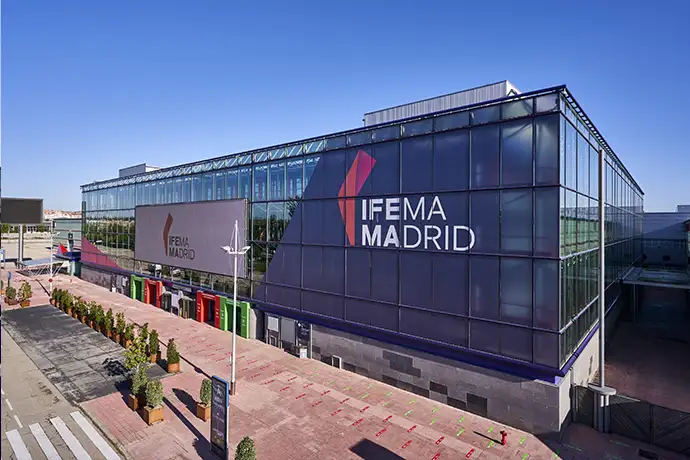
Madrid is regularly chosen for its central location and strong infrastructure. IFEMA hosts major trade fairs and offers halls that host thousands of delegates. Besides that, the city offers excellent flight connections and a wide range of hotels.
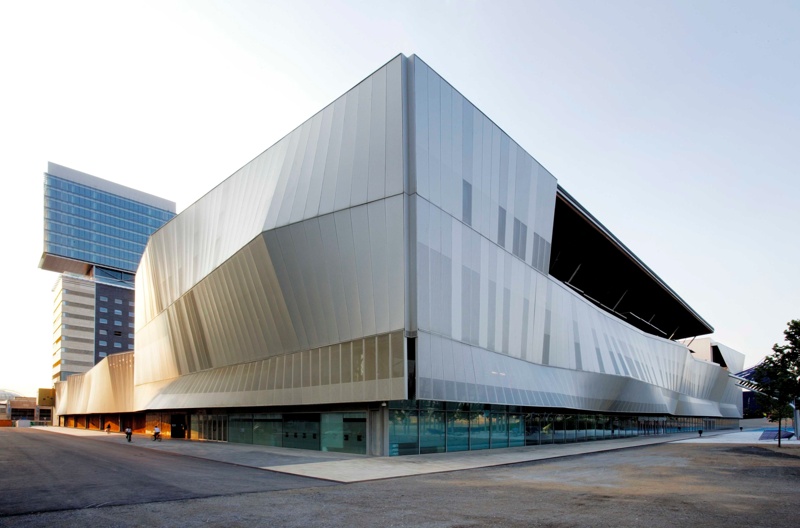
Barcelona combines Mediterranean appeal with modern venues. The Barcelona International Convention Center (CCIB) can easily accommodate large conferences. The city also offers direct flights from many global hubs and is known for innovation and sustainability.
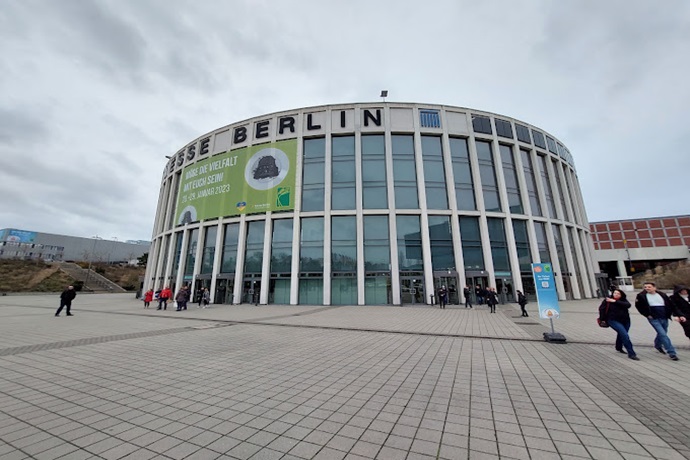

Berlin attracts event planners thanks to its cultural diversity and flexible spaces. The Berlin ExpoCenter and Estrel Berlin can host large trade shows. There are two airports and efficient public services to make event transportation straightforward.
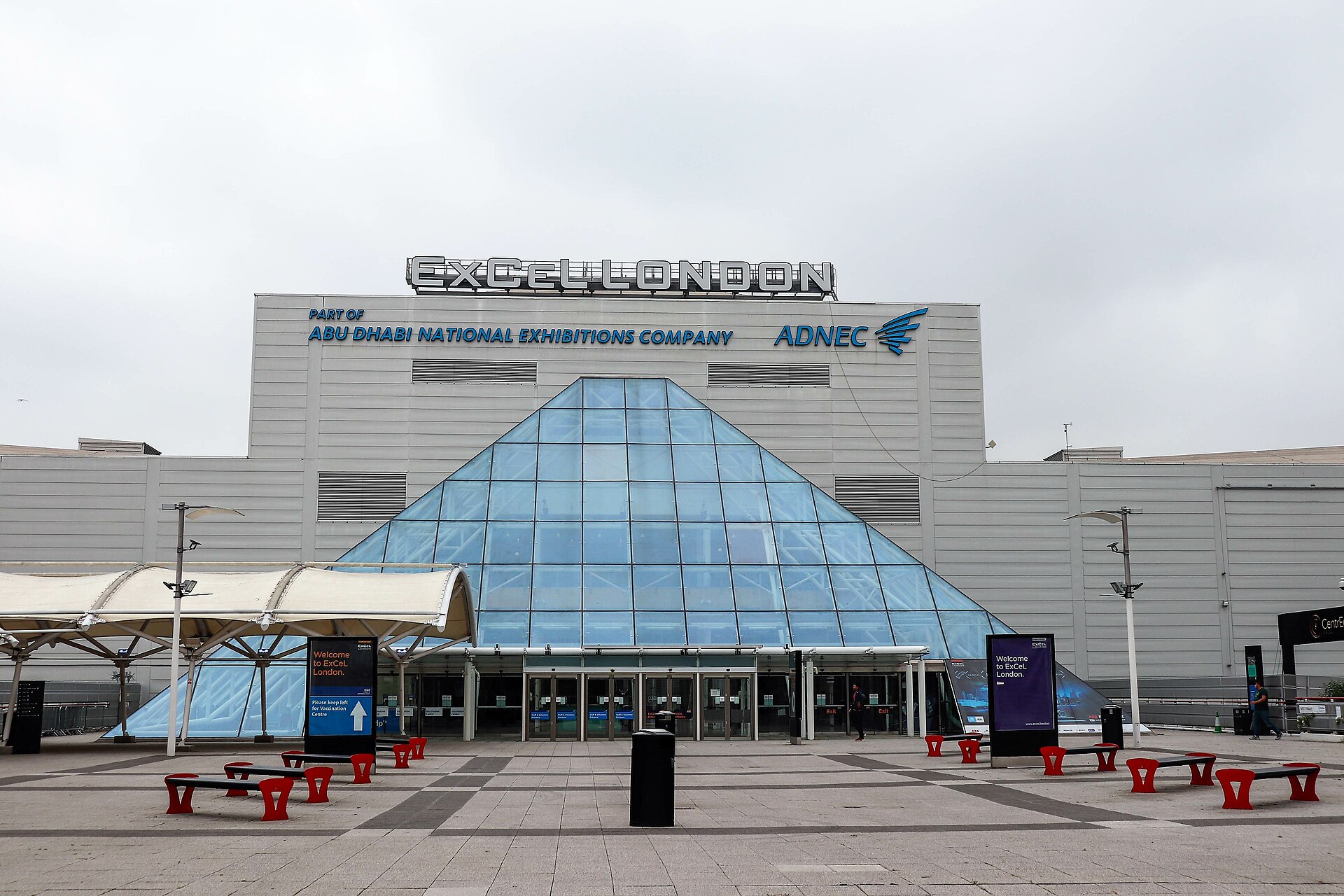

London is a global hub that offers top-tier facilities. ExCeL London and the QEII Centre are prepared to serve conferences and exhibitions of all sizes. There are multiple airports, high-speed trains, and a robust subway system to provide unmatched connectivity.
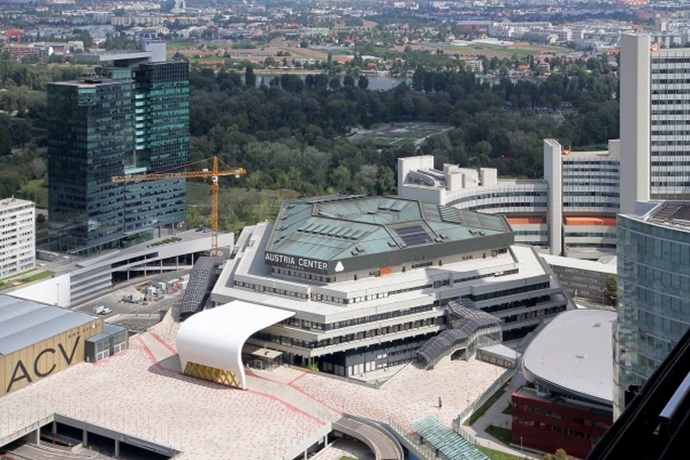

Vienna blends historic charm with modern amenities. Austria Center Vienna and Messe Wien have advanced technology to help handle large events. The city has a central location and boasts reliable public transportation that makes everything easier for attendees.
How a DMC supports a MICE event
An experienced Destination Management Company (DMC) can provide the local expertise and logistics plan that make a MICE program run smoothly from beginning to end.
DMCs can help source venues, negotiate supplier contracts, and arrange transportation for groups even if they are arriving from different airports. They provide on-site staff to coordinate schedules and manage suppliers during the event. Their role includes contingency planning as well, which ensures that any disruption is handled quickly and discreetly.
By working with MICE DMCs across Europe, planners gain reliable local support and resources to reduce the risks of organizing complex events abroad.
Frequently Asked Questions
What are MICE travelers?
MICE travelers are people who attend meetings, incentive trips, conferences, or exhibitions. They travel for business purposes, often in groups, and require venues, accommodation, and transportation tailored to the professional events they will attend.
What is the difference between MICE tourism and business travel?
Business travel typically involves individual employees who will visit clients or offices. MICE tourism, on the other hand, moves large groups for organized events such as conferences and trade fairs. These events have structured programs and are hosted in specialized facilities.
Who organizes a MICE event?
MICE events are organized by companies, associations or professional agencies. Corporate managers plan meetings and incentives, while conference organizers and trade fair specialists handle larger gatherings with complex logistics.